
To claim your Google Knowledge Panel, you first need Google to generate one for your entity. Once it exists, you'll see a "Claim this knowledge panel" button. Clicking it kicks off an official verification process, which usually involves proving ownership through Google Search Console or, in some cases, by providing personal identification. This guide is designed to be educational and easy to follow, helping you navigate every step.
Why Your Knowledge Panel Is Your New Business Card
In the past, your website's homepage was your digital storefront. Not anymore. Today, that role belongs to the Knowledge Panel—the info box that pops up on the right side of Google's search results.
This panel has quickly become the primary source of truth for your brand, person, or organization. It’s often the very first thing people see, long before they ever decide to click on your website. Think of it as your new business card, digital handshake, and brand summary all rolled into one.
It’s essentially Google’s stamp of approval, compiling the most important facts about you into a clean, easy-to-read format. For major brands, this is a non-negotiable part of their presence. Take a look at Tesla's Knowledge Panel, for instance. It consolidates vital company info, social profiles, and key people in one authoritative snapshot.
This isn't just a random collection of links. It's a structured, authoritative overview that directly feeds AI systems and conversational search. With the industry’s shift toward what we call AI Visibility (AEO), having structured data and a verified entity is no longer optional—it's foundational.
Owning this digital real estate pays huge dividends:
- Enhanced Authority: A verified panel is a powerful signal to both Google and users that you're a credible, established entity.
- Controlled Narrative: It gives you a direct line to influence the photos, social media links, and key facts people see first.
- Increased Visibility: Knowledge Panels dominate prime SERP real estate, putting your brand front and center.
- AI-Readiness: It's the bedrock for getting cited accurately by AI Overviews and voice assistants. You can explore more on building an effective AI visibility strategy in our detailed guide.
The connection between owning your panel and getting cited by AI is impossible to ignore. Recent reports show that over 85% of generative search answers pull information from entities with verified Knowledge Panels.
The difference is stark. Entities without a panel are cited in a mere 12% of AI-generated responses, while those with verified panels see a citation rate of 94%. This statistic alone proves just how critical structured entity data has become.
Building the Foundational Signals Google Needs to See
A Knowledge Panel isn't something you can just fill out a form for. It's earned. Think of it as a reward Google gives to entities it understands and trusts. Before you can even entertain the idea of claiming a Knowledge Panel, you have to lay the groundwork that proves to Google’s algorithm that you’re notable enough to deserve one.
This is the "pre-claim" strategy, and it’s all about building a strong, consistent, and authoritative digital footprint. Your job is to send crystal-clear signals that define who you are as an entity and, more importantly, why you matter.
Fortify Your Digital Core
This entire process starts at home—on your own website. This is your digital headquarters, the one place online where you have absolute control over your brand's story.
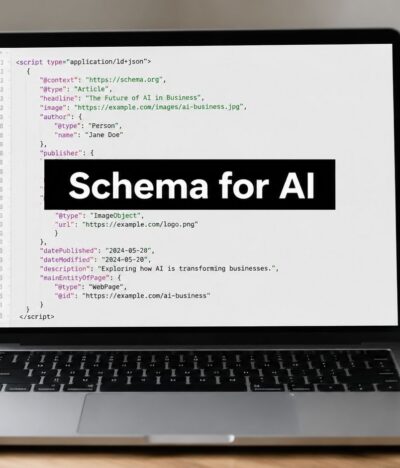
The most powerful tool in your arsenal here is structured data. By implementing Schema.org markup, you're basically translating your website's content into a language that search engines can read fluently. It’s like spoon-feeding Google the exact facts about your brand, from its official name and logo to its founding date and key people. If you want to learn more about the technical details, check out our complete guide on what structured data is in SEO.
This infographic perfectly shows how the game has changed. We've moved beyond simple website rankings to needing a verified digital identity.
As you can see, being a verified entity isn't a vanity project anymore. It’s a core requirement for being cited and trusted by the AI-driven search engines of 2026. Without it, you're practically invisible.
Pro Tip: Your "About Us" page is your secret weapon. Treat it like an entity homepage. Meticulously detail your company's story, mission, and leadership team, ensuring every fact is backed up with corresponding schema markup. This creates an unambiguous source of truth for Google.
Establish Authority Across the Web
While your site is the core, it's not enough on its own. Google needs to see your name in other reputable places. This is where you build off-site authority by getting your entity's information onto trusted sources that Google’s Knowledge Graph already references.
We’ve found that a solid starting point is to establish a presence on 20 to 30 trusted, high-authority sites. Think platforms like Crunchbase, Wikidata, industry-specific directories, and business registries. While a Wikipedia page is still a huge signal, it's not the only path forward.
A word of caution: this isn't a quick fix. Be prepared to put in the work. It typically takes 3 to 6 months of consistent, focused effort before Google starts to recognize your entity as notable enough for a panel.
Here's a checklist to help you get started on building those essential entity signals. Following these foundational steps is the most reliable way I've seen to trigger the creation of a Knowledge Panel.
Your Entity Signal-Building Checklist
| Activity | Target Platform/Method | Raven SEO Pro Tip |
|---|---|---|
| Verify Local Listings | Google Business Profile, Bing Places, Apple Maps | Fill out 100% of the profile. Incomplete profiles look untrustworthy. Use the exact same Name, Address, and Phone Number (NAP) everywhere. |
| Create Key Data Profiles | Wikidata.org, Crunchbase | Wikidata is a central hub for the Knowledge Graph. A complete and accurate entry here is a massive signal for Google. |
| Secure Industry-Specific Citations | Niche directories, professional associations | Find the top 3-5 directories for your specific industry. A citation from a relevant source is worth more than ten from generic ones. |
| Optimize Social Profiles | LinkedIn (for Company/Person), X (formerly Twitter) | Ensure your company name, description, and website link are consistent. Use your official logo as the profile image. |
| Publish Official Information | Press releases via reputable newswires | Announce new hires, product launches, or company milestones. The goal is to generate corroborating third-party mentions of your entity. |
| Get Your Schema in Order | Your website's "About" and "Contact" pages | Use Organization or Person schema markup. Validate your code with a tool like the Schema Markup Validator to ensure it's error-free. |
Working through this checklist will create a powerful, interconnected web of information around your brand. This consistency across multiple authoritative platforms sends an undeniable signal to Google that your entity is real, relevant, and worthy of a Knowledge Panel.
Taking Control: How to Claim and Verify Your Knowledge Panel
Once your Knowledge Panel is live on Google, the real work begins. You've successfully signaled to Google that your entity is notable, but now it's time to take the reins. This shifts you from being a passive subject to the active manager of your digital presence.
Look for a small link at the bottom of your panel that says, "Claim this knowledge panel." Clicking this is your first step toward official ownership. This kicks off Google's verification process, which isn't a one-size-fits-all experience. Google has a few different ways to confirm you're the rightful owner or an authorized representative.
Understanding the Verification Pathways
The smoothest and fastest way to get verified is through Google Search Console (GSC). If you're already a verified owner of the entity's official website, the process can be almost instant. You'll just need to be logged into the right Google account to confirm ownership. This is the best-case scenario.
However, not everyone gets the easy route. Many people—especially agents representing public figures or organizations with complex website ownership—have to go through a manual review.
Be prepared: the manual process is no joke. It typically involves uploading a selfie of you holding a government-issued ID, plus screenshots proving you have backend access to the entity's official social media profiles or website.
Google is incredibly strict about identity here for good reason. The verification form will require your full legal name and 2–5 screenshots proving you manage the entity's online properties. For social media, having a Twitter, YouTube, or Facebook account already linked in the panel can sometimes lead to an automatic claim option, but this only happens for about 34% of eligible entities. For a closer look at the nitty-gritty details, check out this detailed video walkthrough.
Whichever path you take, get your documents in order ahead of time. The goal is to give Google undeniable proof of your connection to the entity. This is a very different process from setting up a local listing, so don't confuse it with the steps for managing what is known as a Google Business Profile. Having everything ready will help you sail through the process and avoid frustrating rejections.
How to Manage and Optimize Your Verified Panel
Congratulations, you've claimed your Knowledge Panel. That’s a huge win, but don't pop the champagne just yet. Securing control is just the first step. The real work begins now: turning that static box of information into a powerful, living asset that reflects your brand's authority.
Once you’re verified, your go-to tool is the "Suggest an edit" feature. This is your direct line to Google. Immediately jump in and correct any glaring errors, update old information, and make sure all your key social media profiles are present and accounted for.
But this isn’t about a one-time cleanup. True panel management is an ongoing process that has to work hand-in-glove with your everyday SEO and marketing efforts.
Keeping Your Panel Fresh and Authoritative
The information in your panel isn't set in stone. It’s a direct reflection of what Google’s Knowledge Graph understands about your entity by crawling the web. This means your daily marketing activities directly feed and shape what appears in your panel.
Here’s how to keep it accurate and authoritative over the long term:
- Publish Authoritative Content: Consistently creating expert-level articles, in-depth case studies, and comprehensive white papers on your own site reinforces your expertise. This gives Google fresh, high-quality material to connect back to your entity.
- Update Your Schema: Your business changes, and your schema markup should, too. When you launch a new product, add a service, or bring on key executives, update your structured data to keep the Knowledge Graph in sync.
- Earn Fresh Media Mentions: New interviews, articles, or features on reputable, third-party websites are incredibly powerful. They serve as independent verification that confirms your notability and recent activities.
A verified panel is not a "set it and forget it" asset. Think of it as a living reflection of your brand's digital presence. Every piece of content you publish and every citation you earn contributes to its accuracy and authority.
Once you've successfully claimed your panel, continuous optimization is crucial. For example, be sure to optimize your Google Business Profile, as it's another critical source of information that Google displays.
This strategy is all about building sustainable authority, a core philosophy at Raven SEO. For more advanced techniques, you can explore our guide on Knowledge Graph optimization. By proactively managing all your digital signals, you ensure your panel remains a trustworthy and powerful representation of your brand.
Future-Proofing Your Brand for Generative AI Search
Everything we've done—building signals, structuring data, and claiming your Knowledge Panel—all leads to this moment. Having that verified panel is no longer just a nice-to-have; it's your official pass to being accurately represented in Google’s AI Overviews and the wave of generative search experiences.
This isn't just about showing up in the search results anymore. It's about becoming a foundational source of truth that AI models rely on.
When you take the reins of your entity's core information, you directly shape how AI understands and talks about your brand. The game has shifted from reactive SEO (chasing rankings) to proactive identity-building. You are creating a digital persona that AI can trust and cite with genuine confidence.
From SEO to AEO: The AI Era
This strategic shift marks the evolution from traditional Search Engine Optimization (SEO) to what we now call AI Engine Optimization (AEO). The goal isn't just about winning clicks; it's about becoming a citable, authoritative entity in your space.
Without a verified Knowledge Panel, you're leaving your brand's reputation to chance. AI models will be left to cobble together an impression of you from scattered, unverified, and often flat-out wrong information across the web.
A claimed Knowledge Panel acts as your brand’s verified resume for AI. It tells generative models exactly who you are, what you do, and why you're a credible source, ensuring you’re part of the conversation—not a footnote.
At Raven SEO, our "AI-Ready" approach is built specifically to establish this kind of digital dominance. We focus on structuring your brand’s data to ensure it’s not only discoverable by AI but also defensible against misinformation. For a deeper look, check out our guide on how E-E-A-T principles apply to AI.
Common Questions About Claiming a Knowledge Panel
Even with the best roadmap, you’re bound to have questions when you start the process of claiming your Knowledge Panel. Let's tackle some of the most common roadblocks and scenarios.
Why Is There No Claim Button on My Knowledge Panel?
If you find your brand's Knowledge Panel but the "Claim this knowledge panel" link is missing, it usually means one of two things: the panel has already been claimed by someone else, or Google hasn't yet connected it to an official website. Your first step is to strengthen your foundational signals. Double-check your website's Organization or Person schema markup to ensure it's flawless and clearly links to your social profiles. Often, reinforcing these connections is all it takes to make the claim button appear.
How Long Does Verification Take After Claiming?
Patience is key here. If you can verify through Google Search Console with an account that's already a verified owner of the website, the process can be nearly instant. However, the manual verification route—where you submit an ID and other proof—is more involved. Expect this to take anywhere from a few days to a full week, as Google’s team reviews these claims manually to ensure they are legitimate.
Can I Claim a Knowledge Panel for Another Person or Company?
Yes, this is a standard procedure for marketing agencies, publicists, and anyone managing a brand on behalf of another entity. During the verification process, choose the option that says, "I represent another person, organization or entity." Be prepared to provide official documentation that confirms your authority to act on their behalf, such as a signed letter of authorization or a management contract.
At Raven SEO, we specialize in building the authoritative digital footprint needed to not only generate and claim a Knowledge Panel but also to thrive in the era of AI-driven search. Learn how our AI-Ready services can secure your brand's visibility.